What is your customer trading to choose you?
There's a question most brands never fully answer before they go to market because it requires a level of honesty that can feel uncomfortable. The question is this: what is your customer being asked to give up in order to choose you?
Yes, not what they're gaining. What they're giving up.
Many brand strategists (including yours truly) use a framework called the 4 C's to build the foundation for a positioning that actually holds: Company, Category, Consumer, and Culture. When taken together, each lens helps to surface the foundation for a brand positioning that actually holds.
But there's a fifth C I bring into the work when a brand is entering an established category with something meaningfully different. If your product is silently asking a consumer to update a habit, a taste preference, a price expectation, or a sensory memory they've had for years, there's a fifth C you can't afford to skip.
That C is Compromise.
Before you brace at the word, stay with me. This isn't about deficiencies. It's about the silent calculus every consumer runs before they choose something new over something they already know and trust. They're not telling you this out loud… But you can sure bet that they're thinking it.
What consumers are actually weighing
When someone picks up a new product, they're comparing it against a routine they already have. Something familiar is being updated, and that update usually comes with a tradeoff.
For example, in Grocery CPG, that tradeoff tends to live in one or more of a few places.
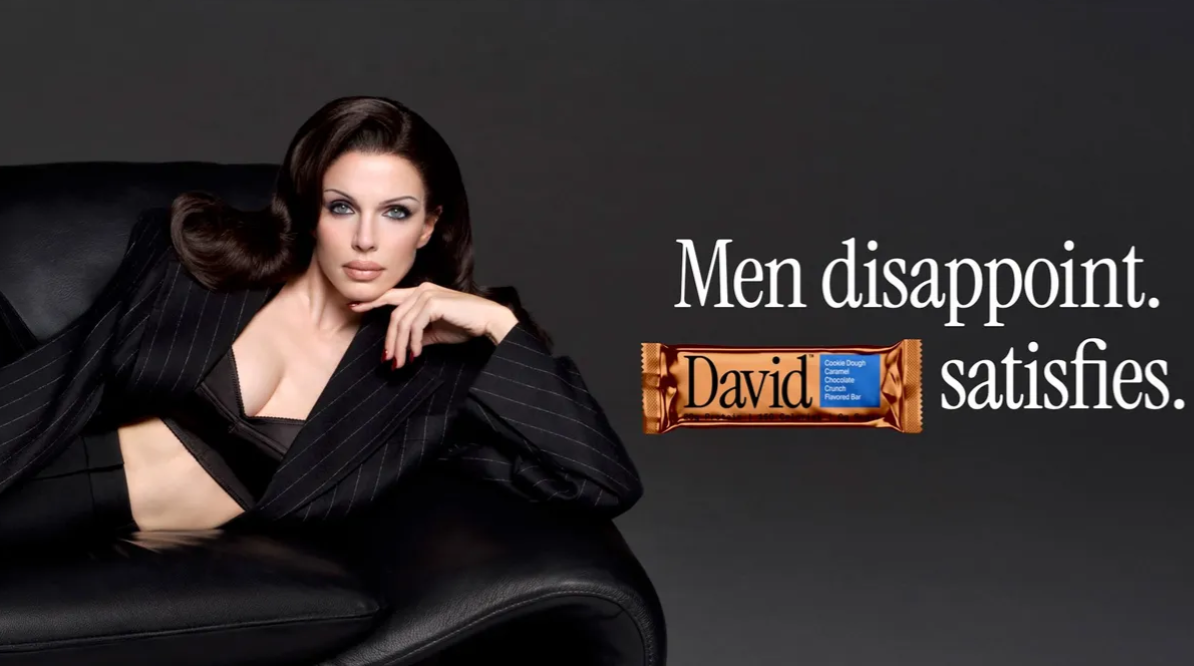
Taste. David Protein bars exist in a category everyone knows. But their macros are so dialed in that the taste asks for some commitment. Consumers who choose David have decided the nutritional payoff is worth it. The brand's job is to make that calculation feel like a smart trade, not a sacrifice. They do this through sleek packaging and brand aesthetics, clever marketing campaign work, and strategically partnering with notable health influencers and celebrities that tangentially helps illustrate their credibility to customers.
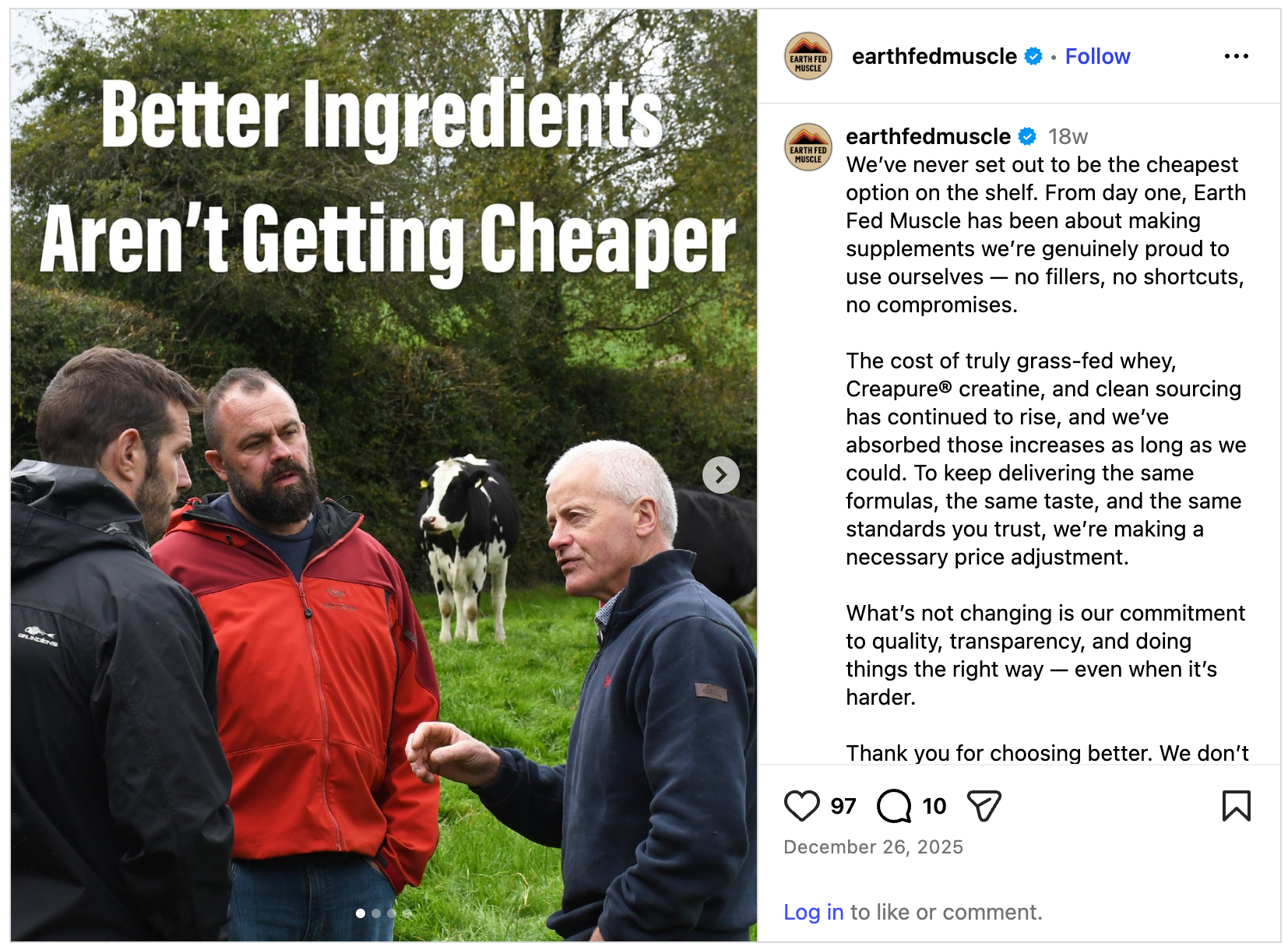
Price. Earth Fed Muscle is a whey protein powder, a category with no shortage of options. It delivers on flavor, quality, and clean ingredients, and it costs $10-15 more than what's sitting next to it on Amazon. The consumer who buys it has decided the gap is worth it. The brand's job is to make sure the perceived value stays wide enough to justify that gap every time. Earth Fed Muscle is completely transparent and direct about this in their customer communications and they show you exactly the quality that you’re paying for.
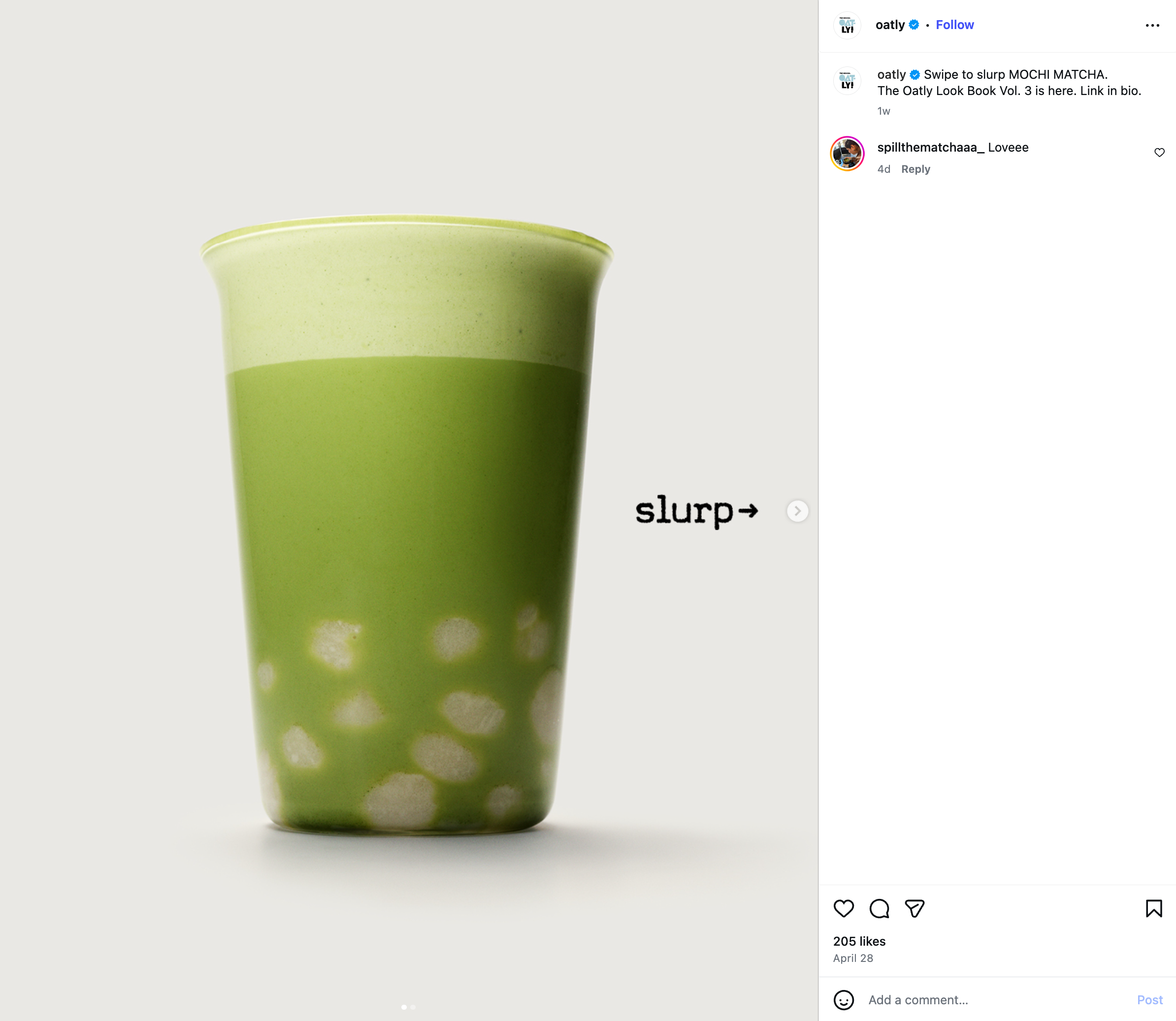
Texture and mouthfeel. Alternative dairy and meat entered existing categories and asked consumers to update deeply ingrained sensory expectations. Oat milk in a latte behaves differently than whole milk. Alternative meat performs against a texture memory that's hard to compete with. The compromise isn't invisible. For brands like Oatly, they know exactly what they are and partner with baristas to educate and innovate with tasty net new recipes (their newest recipe look book is a stunner + a brilliant move toward innovation + is genuinely cool) that pairs with their product. Oatly’s push toward innovation created an entire sub-category in the alternative milk space by knowing exactly who they are and what they’re not.
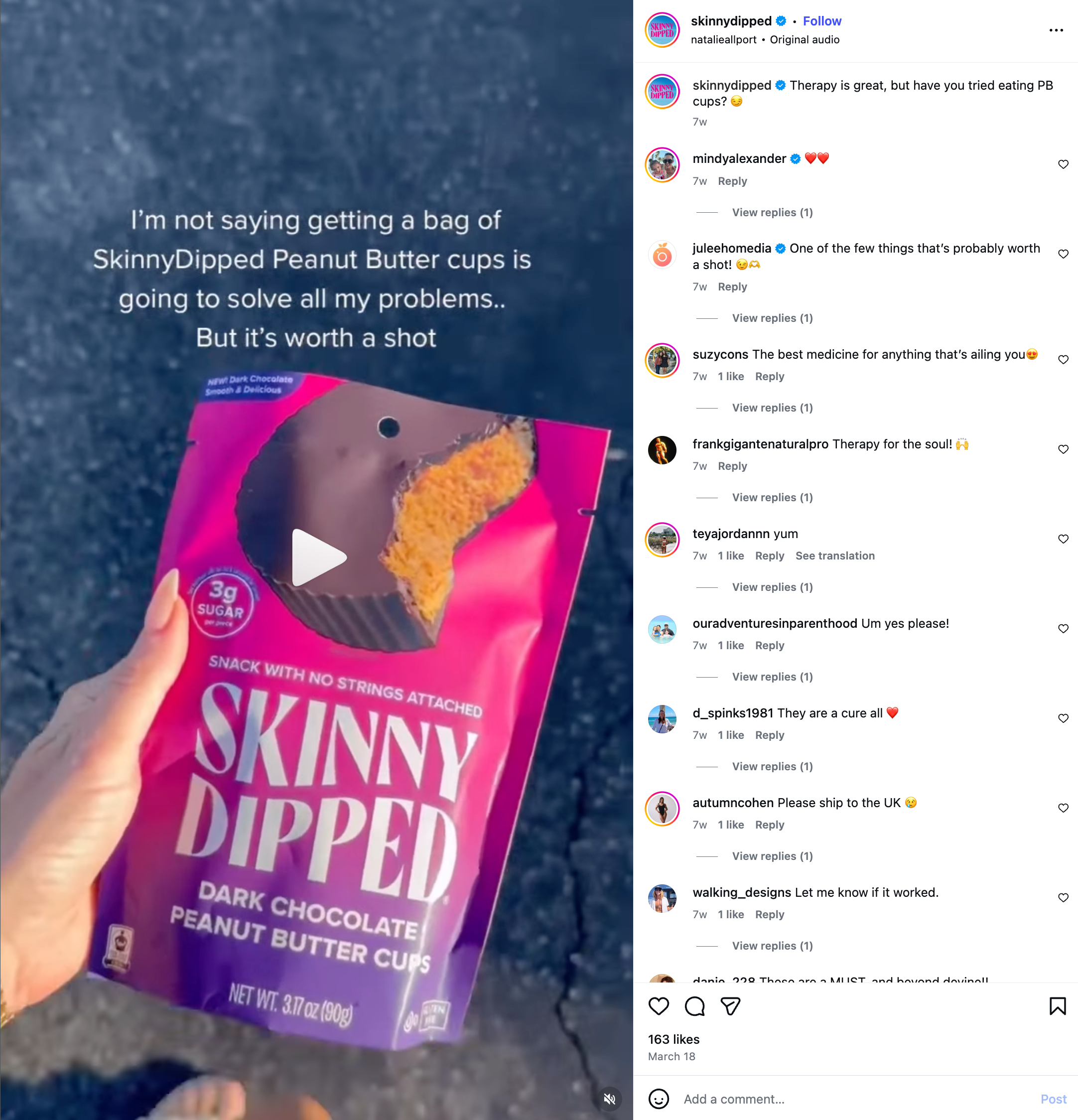
Distance from the original. SkinnyDipped's peanut butter cup is genuinely good. Clean ingredients, lower calorie, real chocolate and peanut butter. But it lives in a category where Reese's set the standard, and anyone who's eaten a Reese's knows exactly what they're measuring against. The brand doesn't need to pretend otherwise. Their packaging distances itself from that comparison entirely. They lean into the healthy lifestyle angle, positioning themselves as a great accessible treat that doesn't blow your macro count for the day. It also has a feminine edge to the brand. They're also very clear about who they're talking to: a consumer who cares about what she puts in her body, and the aesthetic reflects that at every touchpoint, right down to the perfectly manicured hands holding the product on their social channels.
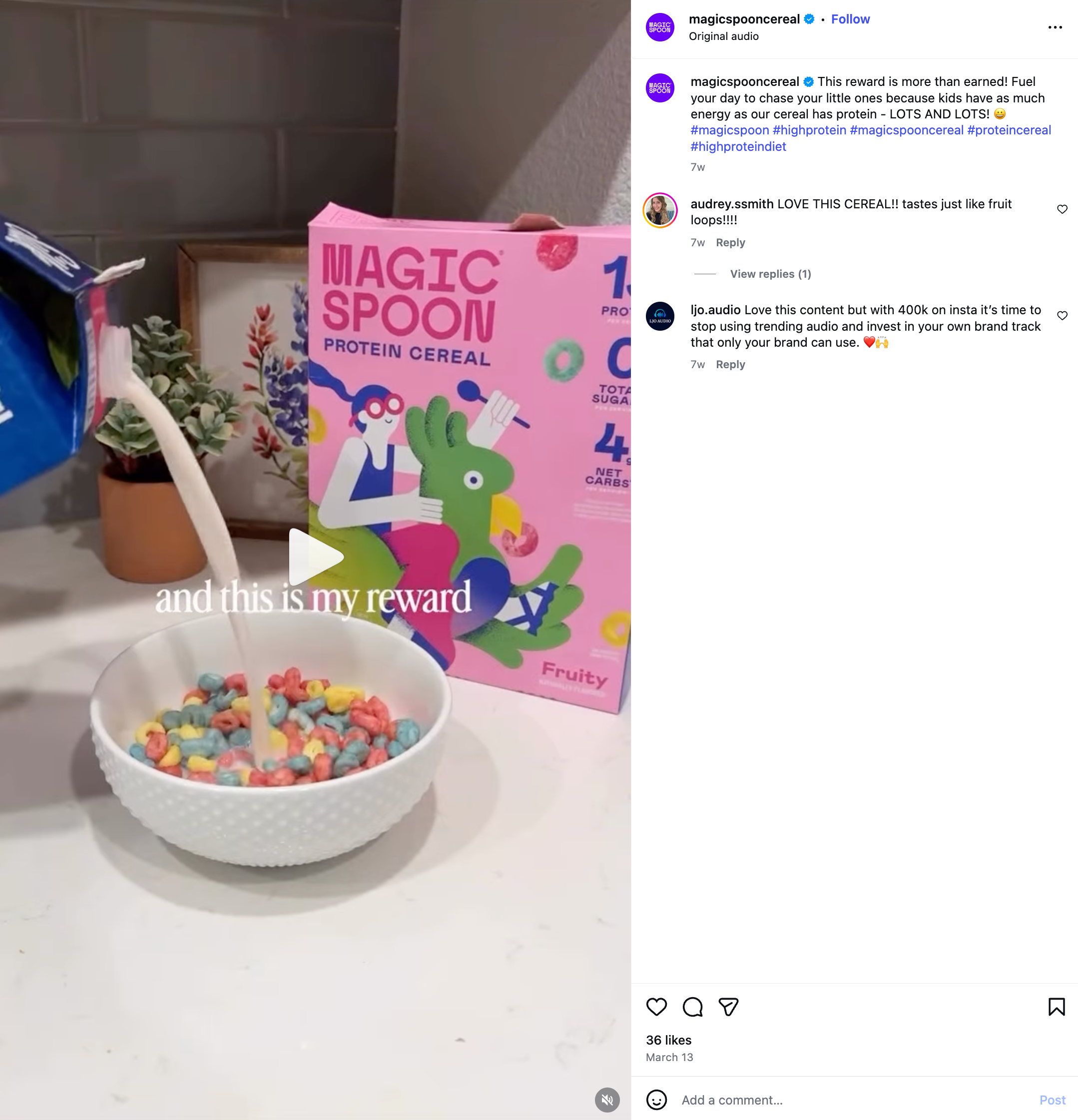
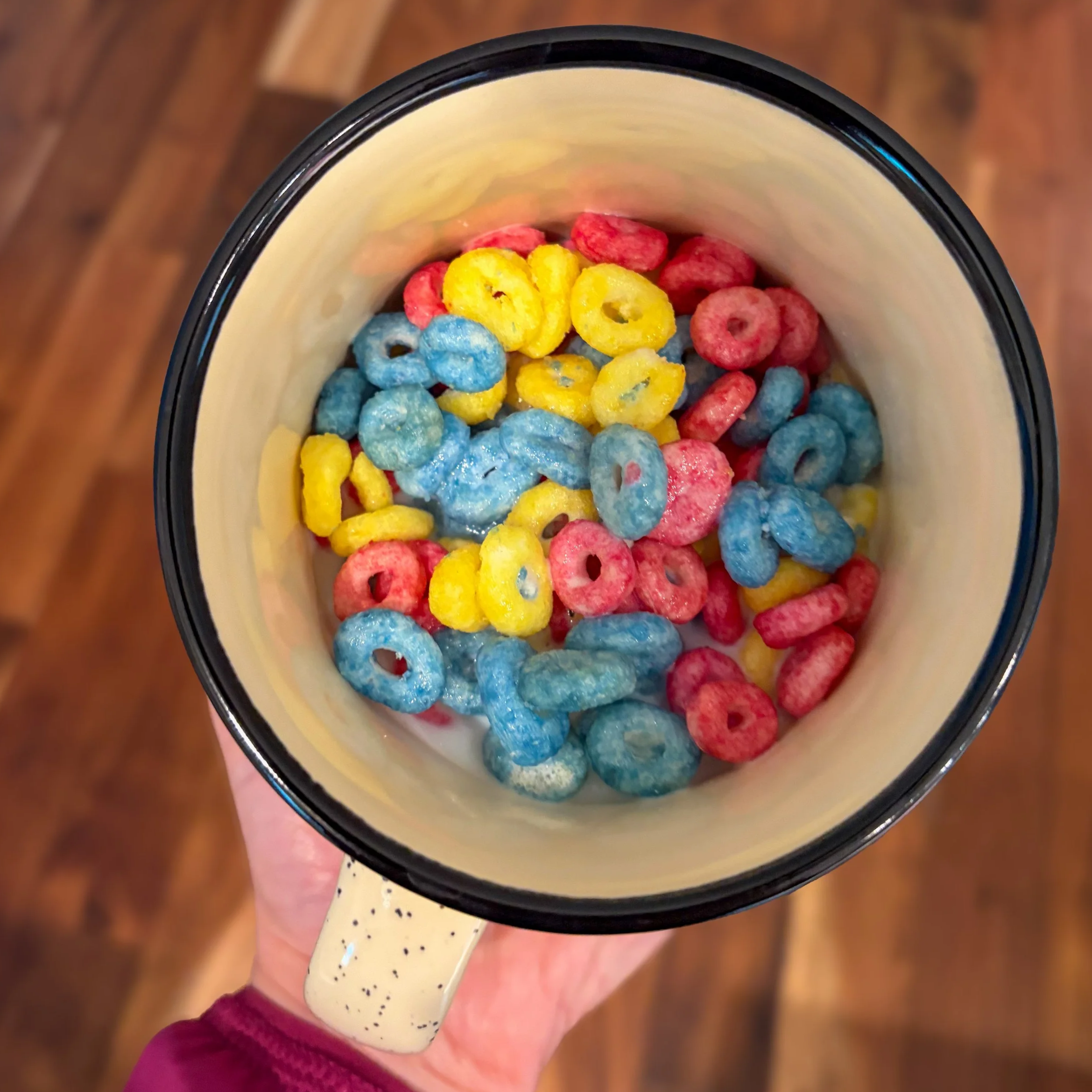
A combination of tradeoffs. Magic Spoon asks for several adjustments at once: the texture isn't quite what you remember, the price is a real commitment at $9 a box, and it's not a bowl of Trix. But what you're getting instead is real: a high-protein cereal you can eat in two minutes, standing over your sink with a coffee mug, that actually makes you feel like a kid again. Magic Spoon knew exactly what they had. The nostalgia is all over the packaging, the protein call out is prominently displayed on the box (directly under the logo lockup), and they’ve never apologized for the price. That's what it looks like to understand your tradeoffs and lead with your strengths anyway.
Why this matters for your positioning
Most brands that struggle to connect with their customers have one thing in common: they never honestly confronted the tradeoff they were asking people to make. They talk around the tension instead of through it. They lead with benefits while quietly hoping no one notices the tradeoffs. Consumers notice.
When you understand the compromise your customer is making, the work gets clearer. You stop trying to hide what your product isn't and start building a story around what it genuinely is. You play up your real strengths. You treat the friction points as an opportunity.
If the taste or texture asks for some adjustment from the consumer, that's a benefit-forward conversation about what they're getting in return. If the price is a barrier, that's a perceived value conversation. And if the distance from something familiar is the tradeoff, that's a brand identity conversation about who you are and why that gap is worth it.
This is the kind of thinking I bring before we figure out how to tell your brand story in a way that actually holds. Because the more clearly a brand understands what its customer is trading in to choose them, the more honest and durable the positioning becomes. And honest positioning, built on something true, is the only kind worth having.